Not every government job comes with a steering wheel, dust on your shoes, and a route that changes with the season. Some do. And those jobs rarely get talked about in detail. When people imagine the Forest Department, they usually picture guards on patrol or officers handling files. Drivers, though, are the quiet backbone—moving people, equipment, and sometimes entire operations through terrain that doesn’t forgive mistakes.
For many aspirants, especially from rural backgrounds, Forest Department driving jobs feel attainable in a way other posts don’t. You don’t need a university degree or fluency in paperwork. What you need is skill, responsibility, and patience. A lot of patience.
Why Driver Posts Matter More Than They Look
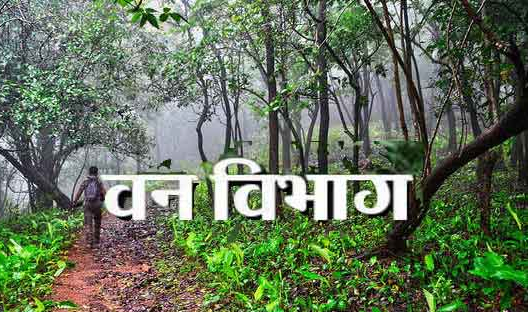 At first glance, a driver’s role might seem simple: drive officials from one place to another. But anyone who’s spent time around forest offices knows that’s only part of the story. Drivers in Van Vibhag often handle rough roads, night duties, emergency calls, and long distances through forest interiors.
One day you might be transporting officers for inspections, another day moving supplies during fire season, and on rare but intense days, helping with rescue or enforcement work. You’re expected to know routes better than Google Maps ever will—and to stay calm when the road disappears into mud or fog.
That’s why recruitment for driver posts isn’t casual. The department looks for reliability, experience, and a sense of responsibility that goes beyond just holding a license.
The Appeal of Forest Department Driver Recruitment
When people search for van vibhag driver Bharti ↗ , it’s usually not impulse-driven. It’s often someone who already has driving experience—maybe years of it—looking for stability. Private driving jobs can be unpredictable. One bad employer, one delayed payment, and life becomes stressful very quickly.
Forest Department driver jobs offer something different. Fixed salary, government benefits, job security, and a certain social respect that comes with being part of a government department. In many communities, that respect matters just as much as the paycheck.
There’s also the working environment. While conditions can be tough, many drivers say they prefer forest postings to crowded city traffic. Less honking, fewer road rage incidents, and more predictable routines—at least most of the time.
Eligibility Isn’t Complicated, But It’s Strict
Most state forest departments keep eligibility requirements straightforward. A valid driving license for light or heavy motor vehicles (depending on the post), a minimum level of education—often middle or high school—and a certain amount of driving experience.
But “straightforward” doesn’t mean “easy.” Driving tests are serious. Candidates are evaluated on control, confidence, and practical knowledge of vehicle handling. Physical fitness also matters. Long hours behind the wheel in remote areas can be physically draining.
Age limits, reservation rules, and domicile requirements vary by state, so applicants have to read notifications carefully. Missing a small detail—like uploading the wrong license document—can lead to rejection without appeal.
The Online Application Shift (Helpful, But Not Foolproof)
Like most government recruitments now, forest department driver vacancies are increasingly handled online. Forms, document uploads, and admit cards are processed digitally, which has reduced middlemen and unofficial “agents.”
Still, confusion remains. Many candidates rely on word of mouth or WhatsApp forwards, which is risky. Official websites can be slow, notifications aren’t always user-friendly, and deadlines don’t wait for anyone.
That’s why searches for van vibhag bharti online ↗ have become common. People want simple explanations—how to apply, what documents are needed, and what happens next. The safest approach is always the same: trust only official forest department or state recruitment portals, and double-check every detail before submitting the form.
Life on the Job: Routine, Risk, and Responsibility
Once selected, the job settles into a rhythm. Drivers are usually attached to a specific office, officer, or range. Daily duties depend on workload, season, and region. During monsoon or fire season, hours can stretch. Emergencies don’t follow office timings.
There’s also an unspoken responsibility. Drivers often become the most trusted support staff. They know schedules, routes, and local conditions. In remote areas, they may be the first to notice road damage, security risks, or unusual activity.
The job isn’t flashy, and promotions are limited. But the stability is real. Salaries come on time. Leaves are structured. And with years of service, benefits add up.
Who This Job Is (and Isn’t) For
Forest Department driver jobs are ideal for people who value steady work over rapid growth. If you enjoy driving, don’t mind routine, and can handle responsibility without constant supervision, it’s a good fit.
It may not suit those who want fast promotions or city-based postings. Transfers can happen. Facilities can be basic. And sometimes, you’ll be expected to wait quietly for hours until work resumes.
But for many, especially those who’ve spent years in unstable private roles, this predictability is a relief.
A Quiet but Essential Role
In the bigger picture of forest conservation and administration, drivers rarely get mentioned. Yet without them, inspections don’t happen on time, emergency responses slow down, and daily operations stumble.
It’s a role built on trust more than visibility. You’re not making policy, but you’re making movement possible. And in departments spread across vast, difficult terrain, that matters.
For aspirants considering this path, the advice is simple: prepare carefully, apply honestly, and don’t underestimate the role. It may look modest on paper, but in practice, it carries weight.
Sometimes, the most important jobs aren’t the ones at the front of the file. They’re the ones that keep everything moving—quietly, steadily, day after day.