Every year, without much noise, forest department notifications slip into public view. A line in a newspaper. A link shared in a Telegram group. A quiet update on an official website that only a few people seem to notice at first. And yet, for thousands of aspirants across India, those small announcements land heavily. They pause conversations. They restart old plans. They bring back a particular kind of hope that doesn’t fade easily.
Forest department jobs don’t come with hype. They never have. They grow slowly in the imagination, fed by stories of steady work, respect in the community, and a life that doesn’t change direction every six months. In an economy that feels increasingly uncertain, that kind of predictability feels rare—and valuable.
The Pull of the Forest Isn’t Always About Nature
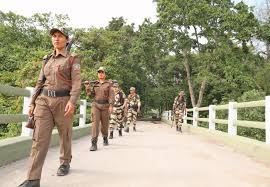 It’s easy to assume that people applying for forest department jobs are driven by a love of wildlife or trees. Some are, of course. But many are simply looking for balance. A job that pays on time. A role that has rules, not constant reinvention. A future that can be planned without crossing fingers every year.
Forest department roles sit in an interesting space. They are government jobs, but they’re not entirely office-bound. They offer stability, but not stagnation. You might be handling files one day and dealing with field issues the next. That mix appeals to people who don’t want extremes—neither corporate chaos nor monotonous desk life.
Understanding What a Vacancy Really Means
When a forest van vibhag vacancy ↗ is announced, it’s rarely just one post. It usually covers a range of roles: forest guards, foresters, rangers, clerical staff, drivers, assistants, technical workers. Each comes with its own expectations, tests, and lifestyle realities.
For some candidates, this is their first serious career opportunity. For others, it’s a second or third attempt at securing a government position. Age limits, educational qualifications, and physical standards suddenly become very real considerations.
What many don’t realize until later is that these vacancies are as much about suitability as eligibility. Clearing an exam is one thing. Adapting to the work is another.
Preparation: More Mental Than Academic
Yes, there are written exams. Yes, there are physical tests for certain posts. But preparing for forest department recruitment is also about mental endurance. The process is rarely fast. Notifications can be delayed. Results take time. Sometimes, there’s silence for months.
During that silence, doubts creep in. Should I keep preparing? Should I apply elsewhere? Did I miss my chance? People who stick through this phase usually do so because they’re emotionally invested, not just strategically positioned.
They’ve imagined the job. Talked about it at home. Made small sacrifices to keep the option open. That emotional investment, while risky, is also what keeps them going.
Why These Jobs Still Carry Respect
In many parts of India, the idea of a sarkari job van vibhag ↗ still carries weight that private roles struggle to match. It’s not about status symbols or high salaries. It’s about trust.
Government forest officials are seen as custodians. People may argue with them, complain about them, even blame them—but they also recognize their authority. That recognition doesn’t come from branding or PR. It comes from decades of institutional presence.
For families, especially in semi-urban and rural areas, this respect matters. It brings social stability. It changes how future plans are discussed. Education, marriage, housing—everything feels slightly more secure.
The Work Itself: Not Romantic, Not Easy
There’s a tendency to romanticize forest department work. Long walks under green canopies. Quiet mornings. Close encounters with wildlife. Some days are like that. Many aren’t.
Field roles involve tough conditions. Heat, rain, difficult terrain. Administrative roles come with paperwork, pressure, and accountability. Conflicts with local communities, coordination with other departments, legal responsibilities—it’s complex work.
People who last in these roles usually accept this early. They don’t expect constant excitement. They respect routine. They understand that service often looks ordinary from the outside.
Transfers, Training, and the Reality of Adjustment
Selection is just the beginning. New recruits go through training periods that can be physically and mentally demanding. Rules, procedures, ethics—there’s a lot to absorb. Transfers are common, especially early on. Postings may be far from home.
This phase filters people again. Some struggle with distance from family or unfamiliar environments. Others adapt surprisingly well, finding satisfaction in learning and responsibility.
Over time, many employees build deep local knowledge. They know their areas intimately—paths, seasons, people, problems. That familiarity becomes a quiet strength.
What Success Looks Like Here (It’s Not What You Think)
Success in the forest department isn’t loud. Promotions are slow. Recognition is subtle. But there’s continuity. Years of service build into something solid.
Employees talk about the relief of predictable income. The comfort of benefits that don’t vanish with policy changes. The peace of knowing retirement won’t be a cliff edge.
For some, that’s enough. For others, it’s everything.
Is This Path Right for Everyone?
Probably not. And that’s important to say.
If you’re chasing rapid growth, frequent role changes, or global exposure, forest department jobs may feel limiting. But if you value structure, long-term security, and work that connects you to real places and people, they can be deeply fulfilling.
There’s no universally “better” choice. Only choices that align—or don’t.